Pests can pose serious challenges to homes, commercial establishments, industrial facilities, and public spaces. From rodents and cockroaches to termites, ants, mosquitoes, and other unwanted pests, infestations can affect hygiene, damage property, contaminate food, and create potential health risks.
Professional pest control services play a vital role in maintaining clean, safe, and hygienic environments. By identifying pest problems, understanding their causes, and applying appropriate control measures, businesses and property owners can prevent infestations and protect their surroundings.
Pest control is the process of identifying, managing, and preventing unwanted pests that may affect human health, property, food safety, and the environment.
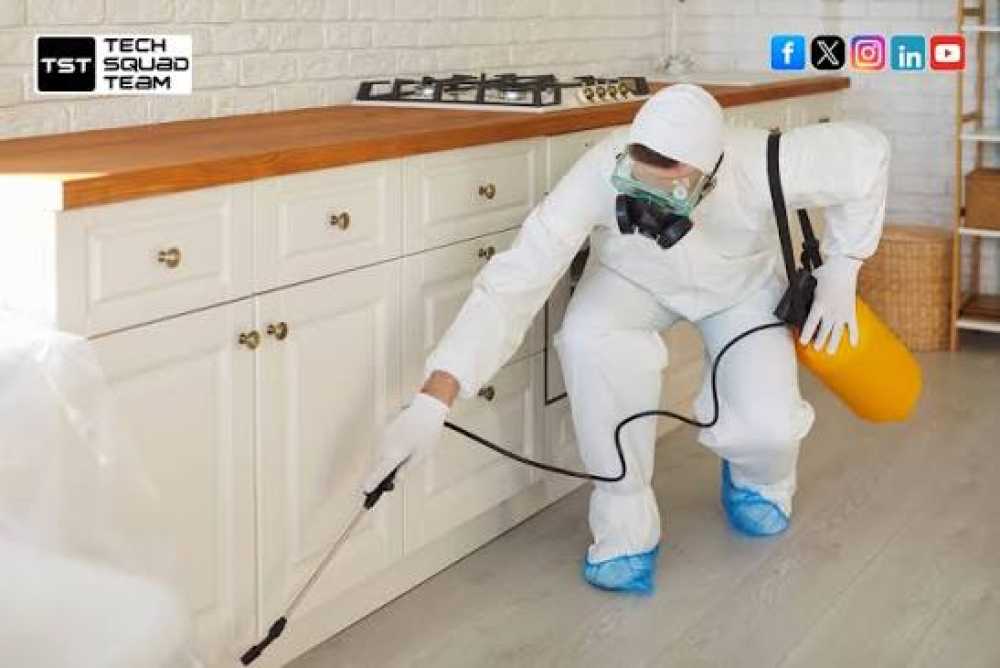
Professional pest control involves inspecting affected areas, identifying pest species, assessing the level of infestation, and selecting suitable treatment and prevention methods. Modern pest management emphasizes a systematic approach that combines monitoring, sanitation, exclusion, and targeted treatments to achieve effective and sustainable results.
Whether for residential properties, offices, hotels, restaurants, warehouses, or industrial facilities, professional pest control helps maintain a hygienic and comfortable environment.
Regular pest management is essential for protecting people, property, and business operations. Effective pest control offers several important benefits:
Professional pest management is not just about eliminating existing pests; it is also about reducing the conditions that allow them to return.
Termites can cause extensive damage to wooden structures, furniture, doors, flooring, and other building components. Because infestations may remain hidden for long periods, early identification is important.
Professional termite control involves inspecting vulnerable areas, identifying termite activity, and recommending appropriate treatment methods based on the building structure and extent of infestation.
Cockroaches are commonly found in kitchens, drainage areas, storage spaces, restaurants, and commercial buildings. They can contaminate food and surfaces and may contribute to allergic reactions in susceptible individuals.
Effective cockroach management combines targeted treatment with proper sanitation, moisture control, waste management, and the sealing of entry points.
Rats and mice can contaminate food, damage property, chew electrical wiring, and create hygiene concerns.
Rodent control services focus on identifying signs of activity, locating entry points, implementing appropriate control measures, and recommending preventive steps such as sealing gaps, improving storage practices, and maintaining cleanliness.
Mosquitoes can cause discomfort and may transmit diseases depending on the species and local conditions.
Mosquito management focuses on eliminating stagnant water, reducing breeding sites, improving drainage, and applying appropriate control measures where necessary.
Ant infestations can affect kitchens, food storage areas, offices, and residential spaces. Simply removing visible ants may not resolve the underlying problem if the colony remains active.
Professional treatment focuses on identifying ant trails and nesting locations, selecting suitable control methods, and addressing food and moisture sources.
General pest control services address a range of common pests found in residential, commercial, and industrial environments. Treatment plans are developed according to the type of pest, the severity of the infestation, the characteristics of the premises, and the applicable safety requirements.
Integrated Pest Management (IPM) is a practical, prevention-focused approach that combines different methods to manage pests effectively while minimizing unnecessary pesticide use.
A typical IPM program includes:
By focusing on the underlying causes of infestations, IPM supports more sustainable pest management and helps reduce the likelihood of recurring problems.
Commercial and industrial environments often require structured pest management programs because pest activity can affect hygiene, operations, stored materials, and customer confidence.
Professional pest control services can benefit:
Depending on the facility, a pest management program may include scheduled inspections, monitoring devices, treatment records, corrective recommendations, and follow-up visits.
For businesses involved in food handling or regulated operations, pest control documentation may also support internal hygiene procedures and relevant audit requirements.
Choosing a reliable pest control company is important for achieving effective results while protecting people, property, and the environment.
Before selecting a service provider, consider the following factors:
A professional pest control provider should explain the proposed treatment, any required precautions, and the steps needed to help prevent future infestations.
Simple preventive measures can significantly reduce the risk of pest infestations. Property owners and facility managers should maintain good housekeeping practices, store food in sealed containers, dispose of waste regularly, repair leaking pipes, eliminate standing water, and seal cracks or gaps around buildings.
Regular inspections can help identify early signs of pest activity before the problem becomes more serious.
Combining preventive practices with professional pest management provides a more effective approach to maintaining long-term hygiene and pest control.
Pest control is an essential part of maintaining healthy living spaces, hygienic workplaces, and well-protected properties. With proper inspection, effective treatment, and preventive measures, pest problems can be managed systematically and responsibly.
Investing in professional pest control services helps protect health, reduce property damage, support hygiene standards, and create a more comfortable environment for employees, customers, residents, and visitors.
At [Your Company Name], we understand the importance of maintaining clean, hygienic, and pest-managed environments. We aim to provide solutions tailored to the specific requirements of residential, commercial, and industrial properties.
From pest inspection and treatment to preventive management and follow-up support, our focus is on helping customers address pest problems effectively and responsibly.
Protect your property. Maintain hygiene. Choose professional pest management.

QPRO delivers expert HSE consultancy, food safety, and QHSE training services.
Copyright @2026 - Total Quality Consultancy & Training Services (QRPO)
Made With by Weblanza